
Blog
Technical notes & production insights.
Methodology, software architecture, AI in production: our hands-on feedback, without unnecessary jargon.
Sep 08, 2026 · Web development · 9 min
Digital accessibility: who is covered, and where to start
Two regimes, a decree in force since 27 August 2026, fines up to 50,000 euros. Who has to comply and where to start.
Read →

Sep 07, 2026 · AI · 9 min
How much does an AI project cost, from POC to production?
The model price is not the point. Where the budget actually goes, how to calculate the API versus dedicated server threshold, and what makes it slip.
Read →
Sep 02, 2026 · Web development · 9 min
Google Analytics alternatives: measuring without a cookie banner
The CNIL exempts audience measurement tools that meet its criteria from consent. Google Analytics is not one of them. What that changes in practice.
Read →
Sep 02, 2026 · Web development · 9 min
Traffic dropped: read the indexing report before panicking
Before blaming the algorithm, check indexing. Which reasons are noise, which ones call for action, and the five usual causes.
Read →
-597x335.webp&w=2048&q=75)
Sep 01, 2026 · Web development · 9 min
NIS 2: am I in scope, and where do I start?
18 sectors, several thousand entities in France, a national law still in progress. How to check whether you are covered and what to start now.
Read →
Aug 31, 2026 · Web development · 9 min
Core Web Vitals: the 3 thresholds and where to start
LCP under 2.5 s, INP under 200 ms, CLS under 0.1. What each threshold measures, why your PageSpeed score misleads you, and what to fix first.
Read →
Aug 28, 2026 · AI · 9 min
AI Act: what actually applies since 2 August 2026
The Digital Omnibus pushed high-risk obligations to December 2027. What already applies, what was postponed, and what to do in between.
Read →

Aug 27, 2026 · AI · 4 min
OpenRouter: one API for 417 AI models
A single gateway to hundreds of models, at the provider’s own rate and with no logging by default. What it changes, and where its limits are.
Read →
Aug 27, 2026 · AI · 8 min
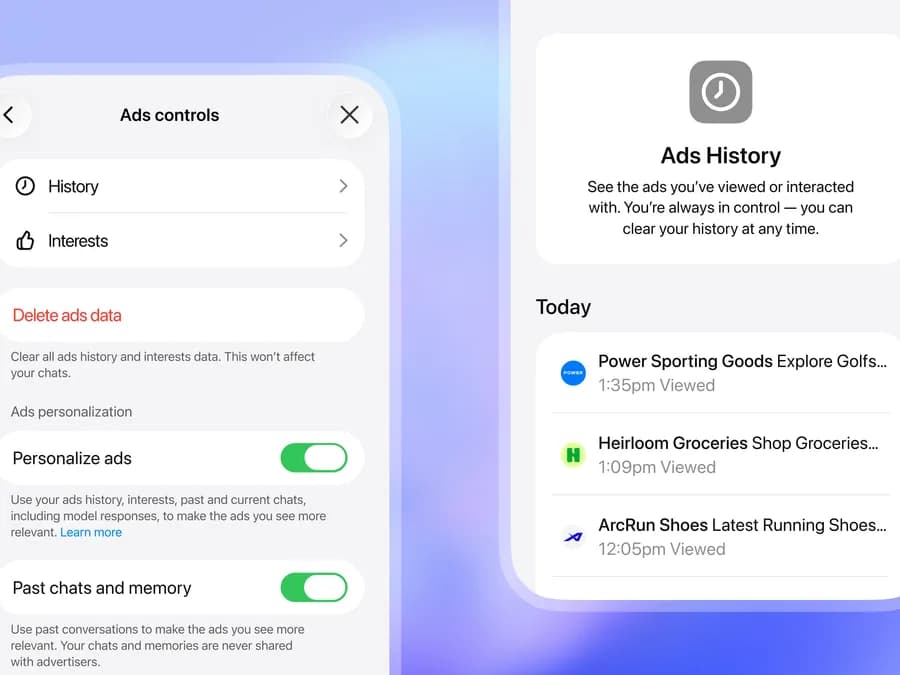
Beyond SEO and SEA, Enter GEA with ChatGPT Ads
With ChatGPT Ads, advertising enters AI-generated conversations. This new lever, called GEA, may soon complement SEO, SEA, and GEO in acquisition strategies.
Read →
Newsletter
A letter, only when we truly have something to say.
Production insights, AI updates, and behind-the-scenes of our projects — straight to your inbox.